Japanese knotweed is a highly invasive plant species that can pose significant challenges for homeowners and real estate transactions. Understanding its impact on selling your home, how to identify it, methods for removal, and the consequences of leaving it untreated is crucial for anyone involved in real estate.
Japanese knotweed (Fallopia Japonica) is notorious for its rapid growth and ability to penetrate through various surfaces, including concrete and brick. It can grow up to 3 meters high, with hollow stems resembling bamboo and heart-shaped leaves. This plant typically flourishes in disturbed areas, such as gardens, along riverbanks, and in neglected lots. If you’re a homeowner looking to sell, the presence of Japanese knotweed can deter potential buyers and significantly reduce your property’s value.
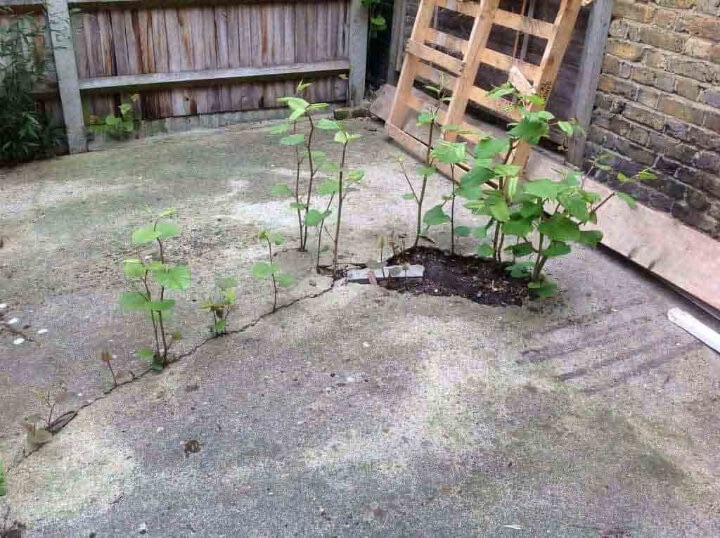
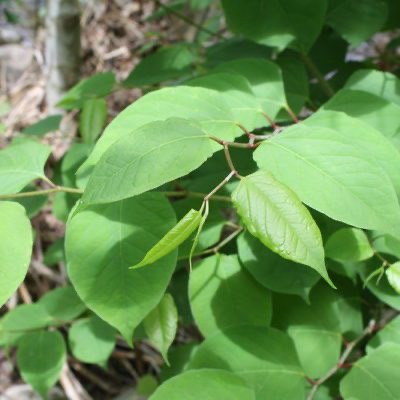
When it comes to identifying Japanese knotweed, look for its distinctive features. The stems are green with purple speckles and can reach a height of 3 meters. The leaves are broad and heart-shaped, growing alternately along the stem. In late summer, the plant produces clusters of small, creamy-white flowers. If you suspect you have knotweed on your property, it’s essential to act quickly.

To effectively remove Japanese knotweed, professional help is often recommended. The plant has an extensive root system that can spread up to 7 meters underground. DIY removal methods, such as cutting or digging, can often lead to further growth if any part of the root is left behind. Professional removal services typically employ methods like chemical treatments or excavation, ensuring that the plant is eradicated completely. It’s crucial to follow local regulations regarding the disposal of knotweed, as it is classified as controlled waste.
Leaving Japanese knotweed untreated can lead to severe consequences. The invasive nature of the plant can cause structural damage to buildings and foundations, leading to costly repairs. Additionally, lenders and mortgage providers may be reluctant to finance properties affected by knotweed, making it difficult to sell. Properties with untreated knotweed can also experience a significant drop in market value, sometimes as much as 10-15%.
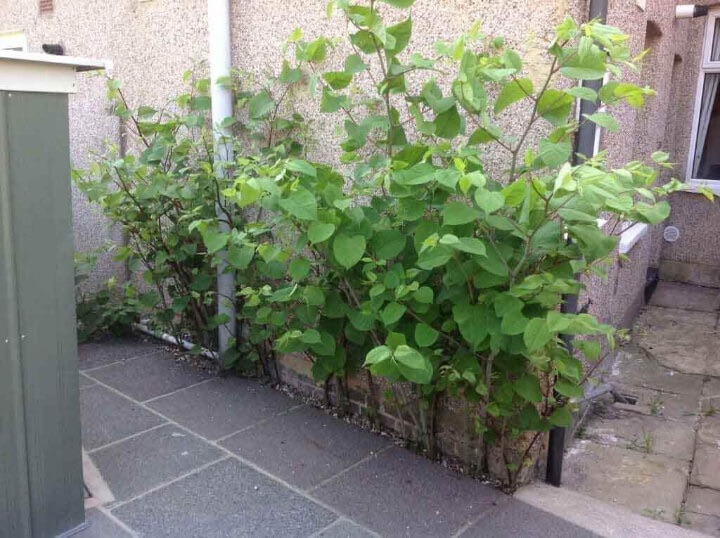
In conclusion, Japanese knotweed is a serious concern for homeowners and can greatly impact real estate transactions. Identifying the plant early, seeking professional removal, and understanding the long-term consequences of neglecting it are essential steps in protecting your property and investment. If you suspect Japanese knotweed on your property, it’s advisable to consult with experts to ensure the issue is addressed promptly and effectively.
 Kierah Hudson
Leave a comment